
Major Indonesia nickel plant cuts output as waste piles up
HPAL producers have also been contending with the higher cost of sulphur, a chemical used to produce acid
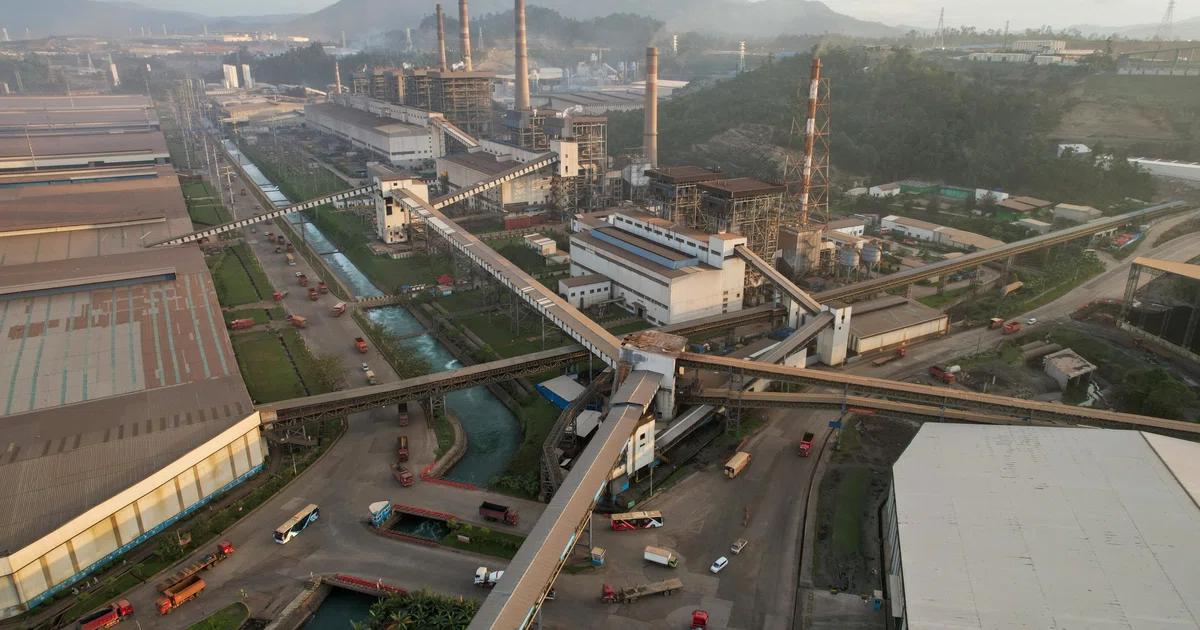
A majority Chinese-owned plant at Indonesia’s most important nickel site is cutting back production as its tailings site is nearly full, according to sources familiar with the matter, highlighting the industry’s growing waste management challenge.
Output at QMB New Energy Materials will be lower for at least two weeks, according to the sources, who asked not to be named as they are not authorised to speak publicly. QMB counts China’s GEM and Tsingshan Holding Group among its shareholders.
A representative of Indonesia Morawali Industrial Park on Sulawesi island, the country’s largest such facility and home to QMB, confirmed the reduction in run rates. The plant’s tailings storage inside the park is almost full, and paperwork for another location is still being processed, the representative added.
GEM, QMB’s biggest investor, did not immediately respond to requests for comment.
Indonesia accounts for more than half of the world’s output of nickel, a metal used in electric-vehicle batteries and stainless steel, thanks to a surge in production that’s been driven by investment from China. The high-pressure acid leaching (HPAL) method used by the plants allows the use of lower-grade ore and is relatively cheap, but it results in high volumes of waste, which is typically dried and compacted before being stored.
The rapid expansion of the nickel industry is facing greater local scrutiny in Indonesia, partly due to waste-related concerns. Experts have questioned whether the HPAL method can ever be used safely and sustainably in the tropical archipelago, where torrential rain and earthquakes are frequent. A deadly landslide at QMB’s tailings site at the Morawali park resulted in disruptions to output earlier this year.
SEE ALSO
HPAL producers have also been contending with the higher cost of sulphur, a chemical used to produce acid.
Still, demand for mixed hydroxide precipitate, a form of nickel produced at the HPAL plants that also contains cobalt, has benefited from a tailwind this year following the imposition of cobalt export controls by the Democratic Republic of Congo. BLOOMBERG
Decoding Asia newsletter: your guide to navigating Asia in a new global order. Sign up here to get Decoding Asia newsletter. Delivered to your inbox. Free.
Originally published by businesstimes.com.sg. Syndicated material does not necessarily reflect the views of Grazia British.
More Fashion

LEESA ROWLAND From Hollywood to the Unknown: The Producer, Writer, Actress and Model Creating Her Own Next Chapter
Leesa Rowland has never been defined by just one role. Actress. Model. Writer. Producer. Author. Creative visionary. Philanthropist. Each title represents a different part of a career…

The Rise of Trevor Dutch: Strength, Style and Substance
From New York City to Europe’s Fashion Capitals, Trevor Dutch Is Bringing Strength, Sophistication, and Individuality to Every Frame In a city that never slows down, Trevor Dutch has…

Commentary: This year's Met Gala proved one thing: The real devil who wears Prada is Jeff Bezos
Apparently not content with bankrupting Sears, Toys R Us, Radio Shack and countless other businesses; buying and then maiming the Washington Post; and leading the Tech Bro right turn to…

Bald eagle 'massaging' its mate? AI deepfakes collide with the laws of the wild
Shadow gingerly places one taloned foot, then the other, on Jackie as she hunkers down on the nest. With Big Bear Lake glittering in the distance, he raises each foot in a kneading motion…