
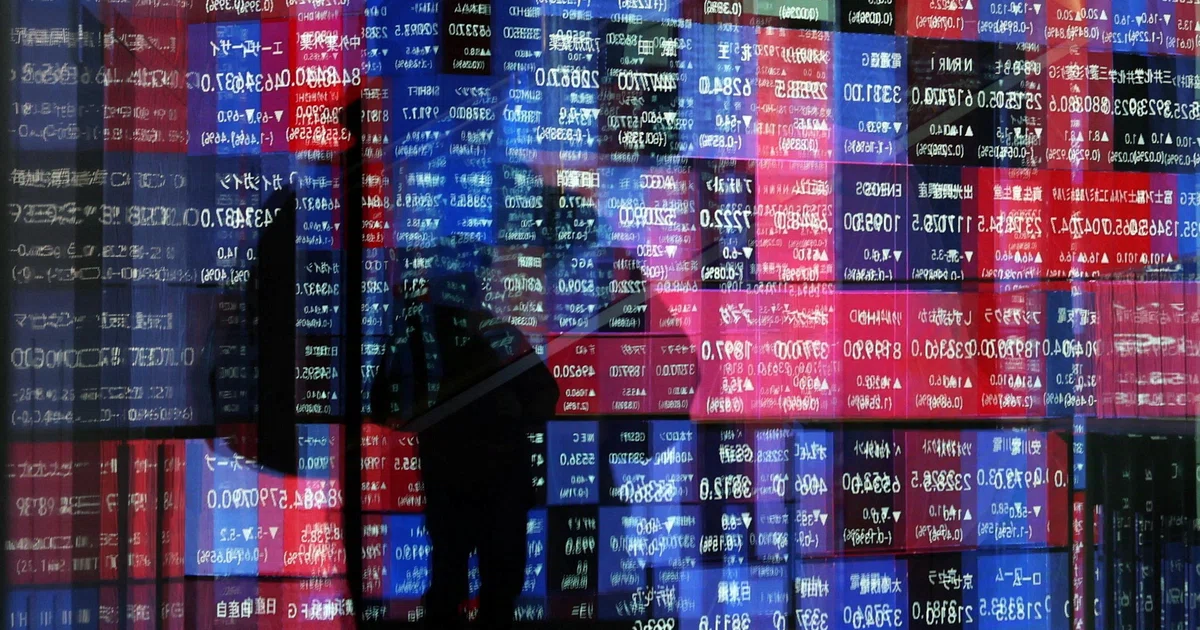
Trillion-dollar tech wipeout ensnares all stocks in AI’s path
Published Thu, Feb 5, 2026 · 12:55 PM
There have been many artificial intelligence (AI)-driven sell-offs in the three years since ChatGPT burst into the mainstream. Nothing, though, quite rivals the rout rippling through stock and credit markets this week.
For one, there’s the sheer speed and breadth of it. In the span of two days, hundreds of billions of US dollars were wiped off the value of stocks, bonds and loans of companies big and small across Silicon Valley. Software stocks were at the epicentre, plunging so much that the value of those tracked in an iShares ETF has now dropped almost US$1 trillion over the past seven days.
For another, this drubbing, unlike many previous ones, was triggered not by fears of a bubble but rather concern that AI is on the verge of supplanting the business models of a wide swathe of companies that doomsayers have long predicted were at risk.
“I don’t think it is an overreaction,” said Michael O’Rourke, chief market strategist at Jonestrading. “For two years, we have been talking about how AI is going to change the world and that it is a multi-generational technology. In the past few weeks, we have seen signs of it in practice.”
The spark was innocuous on its face: AI startup Anthropic PBC released a new tool for legal work, like reviewing contracts. On its own, the product is not seen as a game-changer yet. But coming after a year in which Anthropic’s coding tools helped transform software development, part of a broader wave of AI innovation, the four-paragraph launch announcement was taken extremely seriously.
“While today it’s legal tech, tomorrow it might be sales or marketing or finance,” wrote Jackson Ader, an analyst at KeyBanc.
Navigate Asia in
a new global order
Get the insights delivered to your inbox.
Adding to investor unease, even companies long seen as the prime beneficiaries of the AI boom are showing signs of fatigue. In earnings reports, Alphabet said capital spending on AI would be higher than anticipated, while Arm Holdings issued a revenue forecast that missed expectations. Both stocks fell in after-hours trading.
“We start with just selling off software, now we are selling everything,” said Gil Luria, a managing director at DA Davidson. It “self-perpetuates, stocks go down enough, then that creates negative momentum, and then other people sell”.
Winners and losers
The rout is hardly limited to US-listed companies. London Stock Exchange Group, Tata Consultancy Services and Infosys have all tumbled this week on AI displacement fears.
SEE ALSO
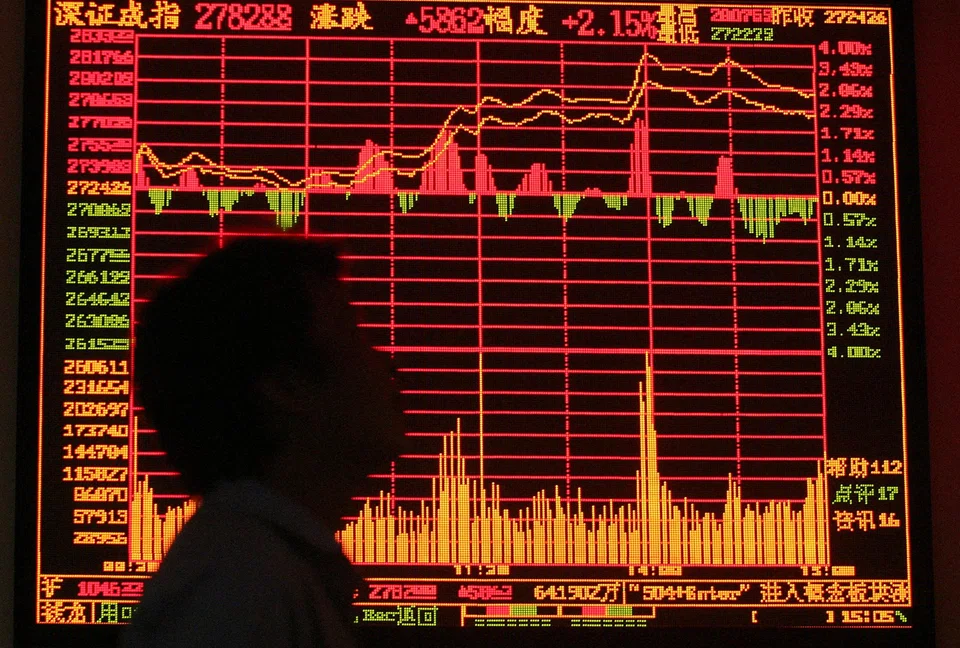

It’s also widened to include the industry’s Wall Street backers, from lenders to private equity owners for whom software firms have been popular targets. More than US$17.7 billion of US tech company loans in a Bloomberg index dropped to distressed trading levels during the past four weeks.
Losses deepened in Asia on Thursday, with a drop in South Korean memory chipmaker Samsung Electronics dragging down the world’s best-performing equity benchmark. Taiwan’s tech-dominated market also slid, while Arm’s sales warning weighed on shares of its majority owner SoftBank Group in Tokyo.
In many ways, the anxiety remains hypothetical. Leading software makers ServiceNow and Salesforce, for example, have not missed earnings numbers or told Wall Street that AI was causing them to lose customers.
Software companies have spent the last few years developing their own AI tools, generally promising the ability to use AI in a secure way, tapping customer data already stored within their systems. Still, many vendors have thus far reported disappointing results. Microsoft said last week that it had 15 million paying users of its Copilot tool, a tiny sliver of the company’s user base of hundreds of millions.
The latest developments raise the spectre that AI leaders will overtake established industry players in innovation, and the fear is that the reckoning will happen sooner rather than later.
“It is going to be an interesting year,” said Dec Mullarkey, managing director at SLC Management. “What we are seeing now is kind of the early stages of this repositioning on who are going to be the winners and losers, who are the most vulnerable as we go through this process.” BLOOMBERG
Decoding Asia newsletter: your guide to navigating Asia in a new global order. Sign up here to get Decoding Asia newsletter. Delivered to your inbox. Free.
Originally published by businesstimes.com.sg. Syndicated material does not necessarily reflect the views of Grazia British.
More Fashion

LEESA ROWLAND From Hollywood to the Unknown: The Producer, Writer, Actress and Model Creating Her Own Next Chapter
Leesa Rowland has never been defined by just one role. Actress. Model. Writer. Producer. Author. Creative visionary. Philanthropist. Each title represents a different part of a career…

The Rise of Trevor Dutch: Strength, Style and Substance
From New York City to Europe’s Fashion Capitals, Trevor Dutch Is Bringing Strength, Sophistication, and Individuality to Every Frame In a city that never slows down, Trevor Dutch has…

Commentary: This year's Met Gala proved one thing: The real devil who wears Prada is Jeff Bezos
Apparently not content with bankrupting Sears, Toys R Us, Radio Shack and countless other businesses; buying and then maiming the Washington Post; and leading the Tech Bro right turn to…

Bald eagle 'massaging' its mate? AI deepfakes collide with the laws of the wild
Shadow gingerly places one taloned foot, then the other, on Jackie as she hunkers down on the nest. With Big Bear Lake glittering in the distance, he raises each foot in a kneading motion…