
17 Years Later, This 91% RT Sci-Fi Epic Is Still a TV Masterpiece
Between Felicity, Alias, and Lost, J.J. Abrams dominated the early 2000s television world. His name practically became its own brand, one synonymous with appointment viewing, intense water cooler discussions, and familiar tropes re-packaged inside mystery box-themed wrapping paper. Although his stylistic preferences don't align with everyone's tastes, Abrams' credulity-straining approach has rarely been better realized, or more organically suited to the material, than his last small-screen project of the aughts' era.
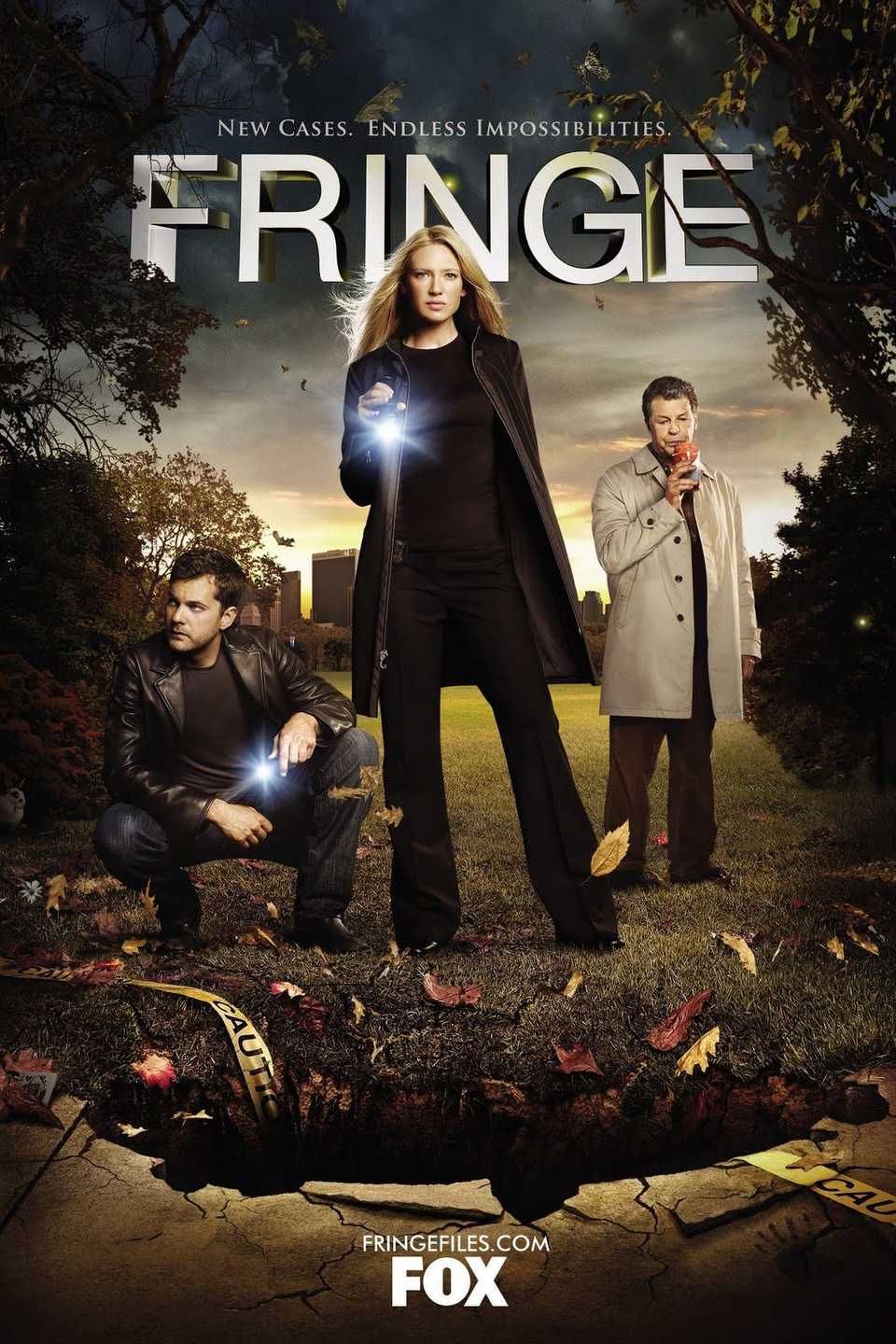
Fringe, a collaboration between Abrams, Alex Kurtzman, Roberto Orci, and showrunnersJeff Pinkner and J. H. Wyman, gathered a loyal following and critical superlatives during its five-season run. Within the larger public eye, however, the 2008 series seems overshadowed by its spiritual predecessors, like Lost and The X-Files, as well as by Fringe's own successors. In fact, the precise way this series' ingredients (intricate worldbuilding, cerebral pseudoscience, disarming poignancy) combine feel right at home with the high-caliber genre shows that are currently smashing Apple TV's streaming records. A serialized exercise made of leaner, sterner stuff than Season 1's procedural origins indicate, Fringe warrants wider recognition as one of the century's most audacious and innovative sci-fi works.
What Is 'Fringe' About?
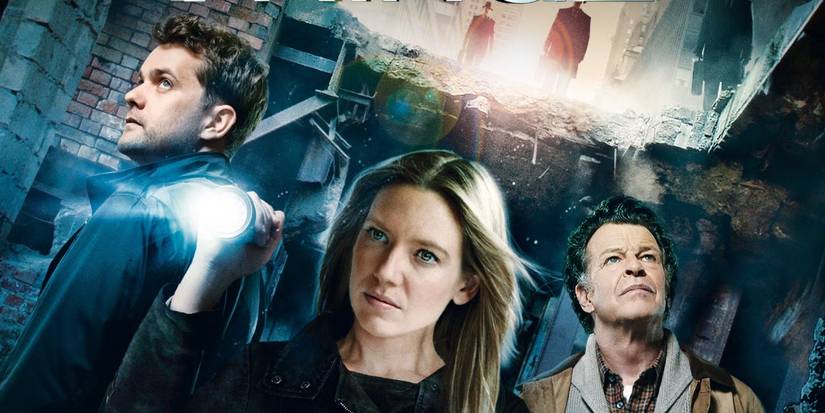
The Fringe Division investigates strange phenomena that can't be explained through traditional means. Supervised by former Homeland Security agent Phillip Broyles (Lance Reddick), the top-secret joint task force takes its name from the theoretical branch of science called fringe science, and staffs their ranks with specialists from various federal organizations. In their collective hands, the wildest plausibilities become irrefutable fact.
As the Division's new recruits — Olivia Dunham (Anna Torv), an FBI Special Agent, Dr. Walter Bishop (John Noble), an eccentric scientist with a heart of gold, Peter Bishop (Joshua Jackson), Walter's estranged civilian son, and Astrid Farnsworth (Jasika Nicole), an overqualified research assistant — shift from one perplexing, gruesome case to the next, they discover a tangled web of mystery and unravel the sinister truth that connects each incident: a cataclysmic war between their universe and a parallel one. The barriers dividing each dimension have weakened over time, causing quantum entanglements, doomsday cults, enhanced cognitive abilities, diverging timelines, targeted retribution, and a dystopian future. The most pressing question, however, is whether anyone survives long enough to witness any future. If neither dimension finds a solution, then humankind will bring about its own demise.
'Fringe' Blends Its Speculative Sci-Fi Premise With Emotionally Complex Characters
The opposite of risk-averse, Fringe roots its highly speculative concept in a rich bedrock of original mythology, sly twists, actualized characters, and devastating heart. There's a tangible texture to how the series defies narrative conventions, its tone fluidly looping between entertaining, philosophical, and melancholic. The same commitment applies to the coherent framework through which Fringe presents its motifs, most of which are some variation on the Butterfly Effect — the idea that stepping on an insect can trigger an ecological disaster across the world.
Although it's amusing to compare and contrast the cultural landmarks and technological progress between Fringe's various Earths, the real meat and potatoes is quieter and more fundamental. Decisions made in grief, trauma, and love upset all sorts of fragile balances, both the cosmic and the personal. One difference in a character's circumstances causes minor but visible ripple effects in their doppelgänger's psychology, like a stone tossed into a still pond. Good intentions or youthful naivety, meanwhile, can unravel the fabric of reality.
Related
'Pluribus' and 'Foundation' Prove Apple TV’s Best Sci-Fi Shows Are Obsessed With One Scary Idea
Apple keeps returning to the same haunting question about identity.
Either way, what isn't immutable in Fringe's multiverse are the endless ways that our relationships mold our identities. That sentiment grants the ensemble's intertwined relationships both a relatable foothold and rewarding poignancy, neither of which fall into overt triteness. Isolated outcasts populate the Fringe Division; their tiny-but-mighty found family are a unit capable of being fractured by human fallacies and mended with equally soulful effort, self-reflection, and compassion.
'Fringe's Phenomenal Cast Delivers Their Career-Best Performances
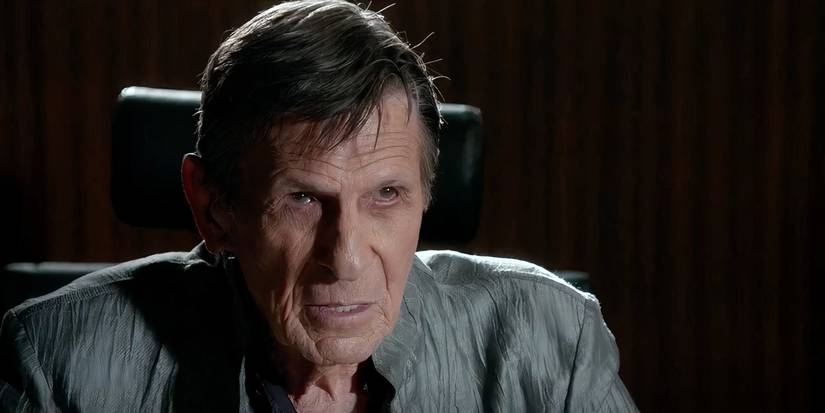
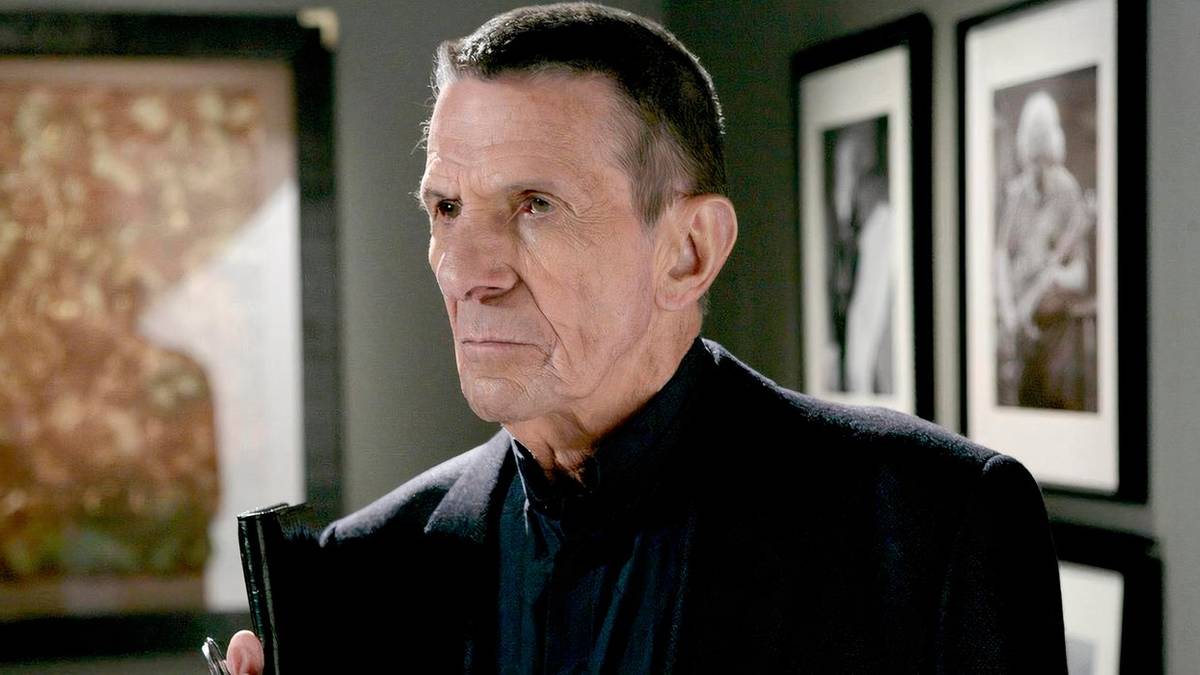
At its creative apex, Fringe was stellar enough to summon Star Trek legend Leonard Nimoy as William Bell, Walter's former partner-in-science and the founder of a shadowy technological corporation. Nimoy's involvement is a stamp of approval of its own pedigree. That said, Fringe 's plot logistics wouldn’t soar as high if its performers — main parts and reliable recurring presences — didn't play their roles to the committed hilt.Olivia remains the highlight of Torv's underrated career and a gripping showcase for her range. In a series about duality, Olivia's burden — carrying the self-inflicted weight of two worlds on her shoulders — is a product of her abusive upbringing as well as her innate sense of justice. She turns her empathy into her superpower; she protects that raw vulnerability by retreating into introversion. Differentiating between alter egos can be an actor's paradise, and Torv's capacity for refined nuance turns the physical clash between her heroine's various selves into an ongoing existential crisis.
Meanwhile, Noble and Jackson wield their father-son chemistry like a weapon. Walter and Peter are mirrors and polar opposites: both certified geniuses, with Peter a roaming con artist who fails upwards and Walter as kooky as he is tormented. A former mental institute patient, Walter understands his capacity for corruption better than most men. He keeps hold of his heartfelt guilt, slices out parts of his curious brain, and both parts seek absolution. As Walter's damaged relationship with Peter thaws from a resentful skeptic butting heads with an eccentric believer into a gut-wrench for the ages, Noble emerges as Fringe's most invaluable asset.
On paper, Fringe’s constant plot-juggling should've collapsed like a house of cards. Not every episode of those 100 installments is a winner, of course, but that's a natural part of the process. Even though the series' reputation isn't as unanimous or as widespread as it deserves, the legacy it has cemented, while thoroughly sci-fi in nature, surpasses category borders. Fringe is prescient, exhilarating, and exquisite television — no matter the genre.
Release Date
2008 - 2013-00-00
Showrunner
Jeff Pinkner
Directors
Jeff Pinkner
Originally published by collider.com. Syndicated material does not necessarily reflect the views of Grazia British.
More Lifestyle

Millennium Docs Against Gravity Festival Director on How Documentary Film Helps Audiences Find ‘Sense Amid the Chaos’ of Current Events
Poland’s Millennium Docs Against Gravity, the documentary film festival that takes place simultaneously across seven Polish cities, returns for its 23rd edition from May 7 – 17 with a…

Mubi Acquires Na Hong-Jin’s Korean Thriller ‘Hope,’ Starring Michael Fassbender, Alicia Vikander and Hoyeon, For Multiple Territories Ahead of Cannes Premiere
Mubi is once again flexing it financial muscle ahead of Cannes, picking up one of the buzziest films heading to this year’s festival. The arthouse distributor and production company has…

MetFilm Sales Acquires Mongolian Documentary ‘Colors of White Rock’ Ahead of World Premiere at Tribeca (EXCLUSIVE)
London-based MetFilm Sales has acquired Mongolian filmmaker Khoroldorj Choijoovanchig’s debut feature documentary “Colors of White Rock” for worldwide sales representation. The film will…

Brit Detective Drama ‘Bergerac’ Bought for U.S. by PBS Distribution (EXCLUSIVE)
British detective drama “Bergerac” is heading to the U.S. with PBS Distribution following a deal with Banijay Rights. The acquisition comes ahead of next week’s London TV Screenings, with…